
Guided Meditation to De-Stress

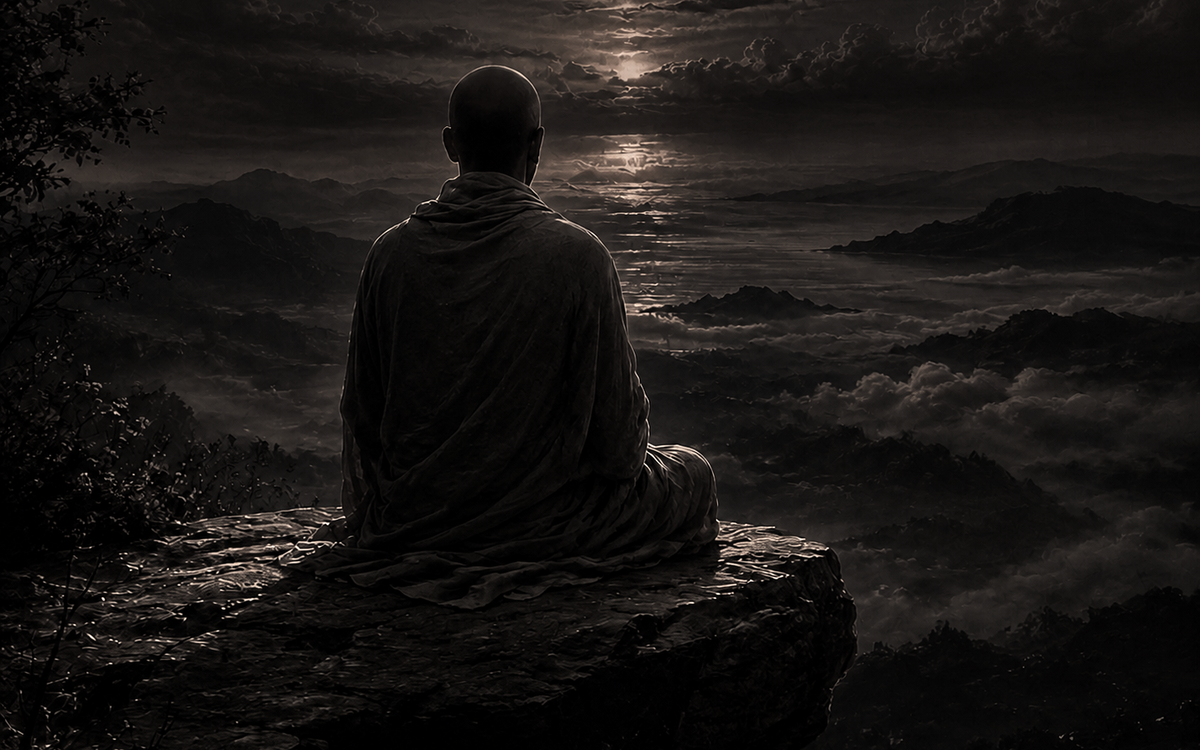
Find a comfortable position, either sitting or lying down, and let your hands rest naturally. Close your eyes if that feels comfortable, or simply soften your gaze. Notice the support beneath your body and allow yourself to settle.
Take a slow, comfortable breath in, and then breathe out gently. There is no need to force or control your breathing; simply allow each exhale to become a little slower and softer. With every breath out, imagine releasing some of the tension you have been carrying.
Bring your attention to your face. Soften your forehead, relax the muscles around your eyes, and loosen your jaw. Let your tongue rest and leave a little space between your teeth.
Now notice your shoulders. As you breathe out, allow them to drop away from your ears. Let your arms feel heavy, and relax your hands and fingers. There is nothing you need to hold on to right now.
Bring your attention to your chest and abdomen, noticing their gentle movement as you breathe. Allow your stomach to soften. You do not need to solve problems, make plans, or reach decisions during these next few minutes; your only task is to breathe and rest.
If thoughts arise, simply notice them without becoming caught up in them. Imagine each thought as a cloud passing through the sky. There is no need to push it away—let it move on and gently return your attention to your breathing.
Now imagine a peaceful place. It might be a beach, garden, forest, quiet room, or another setting where you feel calm and secure. Notice the colors and light, listen to the sounds around you, and feel the temperature of the air.
Allow yourself to rest in this peaceful place. As you breathe in, imagine welcoming a sense of calm and steadiness. As you breathe out, imagine releasing tension, pressure, and worry.
Picture yourself setting your responsibilities down beside you. You are not ignoring them; you are simply giving yourself permission to put them aside for a few moments. Remind yourself: “I do not have to do everything at once. I can take one step at a time. I am allowed to pause.”
Rest quietly with these words for a few moments. Continue breathing at a natural, comfortable pace, noticing whether your body feels even slightly softer or more settled. Whatever you experience is okay.
When you are ready, bring your attention back to your body. Feel your feet, legs, arms, and hands, and once again notice the support beneath you. Become aware of the sounds in the room and the space around you.
Take one final, comfortable breath in and release it slowly. Begin moving your fingers and toes, and gently roll your shoulders if that feels good. Slowly open your eyes or lift your gaze.
As you return to your day, remember that you can pause, soften your shoulders, and reconnect with your breathing whenever stress begins to build. You do not need to handle everything at once; you can meet the day one moment at a time.